Posted on

Vegan vs cruelty-free — they are not the same

This is one of the most common misunderstandings in vegan beauty.

Vegan means no animal-derived ingredients

A vegan product contains no animal-derived ingredients. It says nothing about whether the product or its ingredients were tested on animals.

Cruelty-free means no animal testing

A cruelty-free product has not been tested on animals — either the finished product or its ingredients. It says nothing about whether the product contains animal-derived ingredients.

Why both matter

A product can be vegan but tested on animals. It can be cruelty-free but contain lanolin or carmine. If both matter to you, look for products that are certified both vegan and cruelty-free — or check both claims independently.

Products in this shop are vegan. Where cruelty-free status has been confirmed, this is noted on the product page.
Posted on

How to read an ingredient list

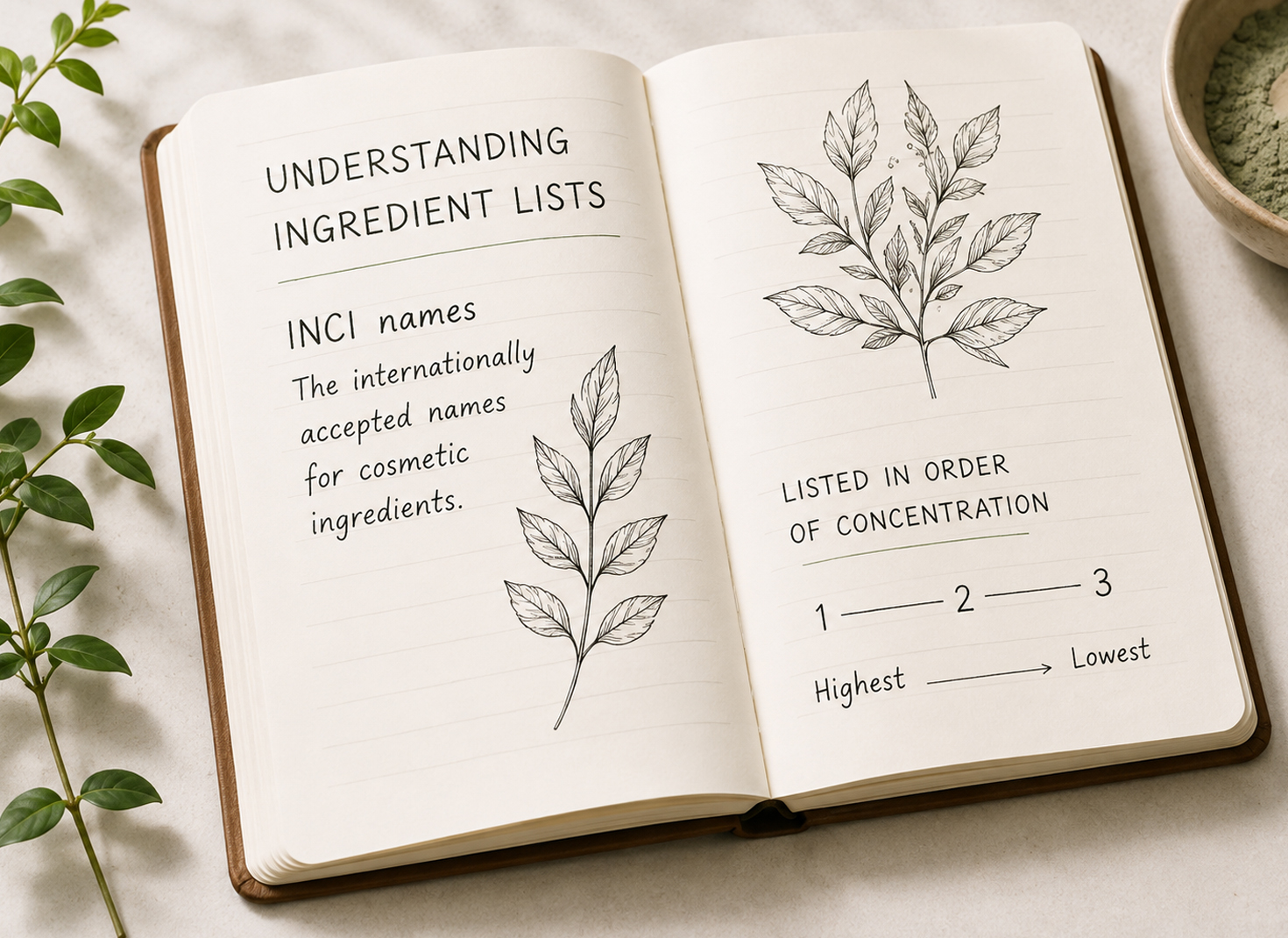
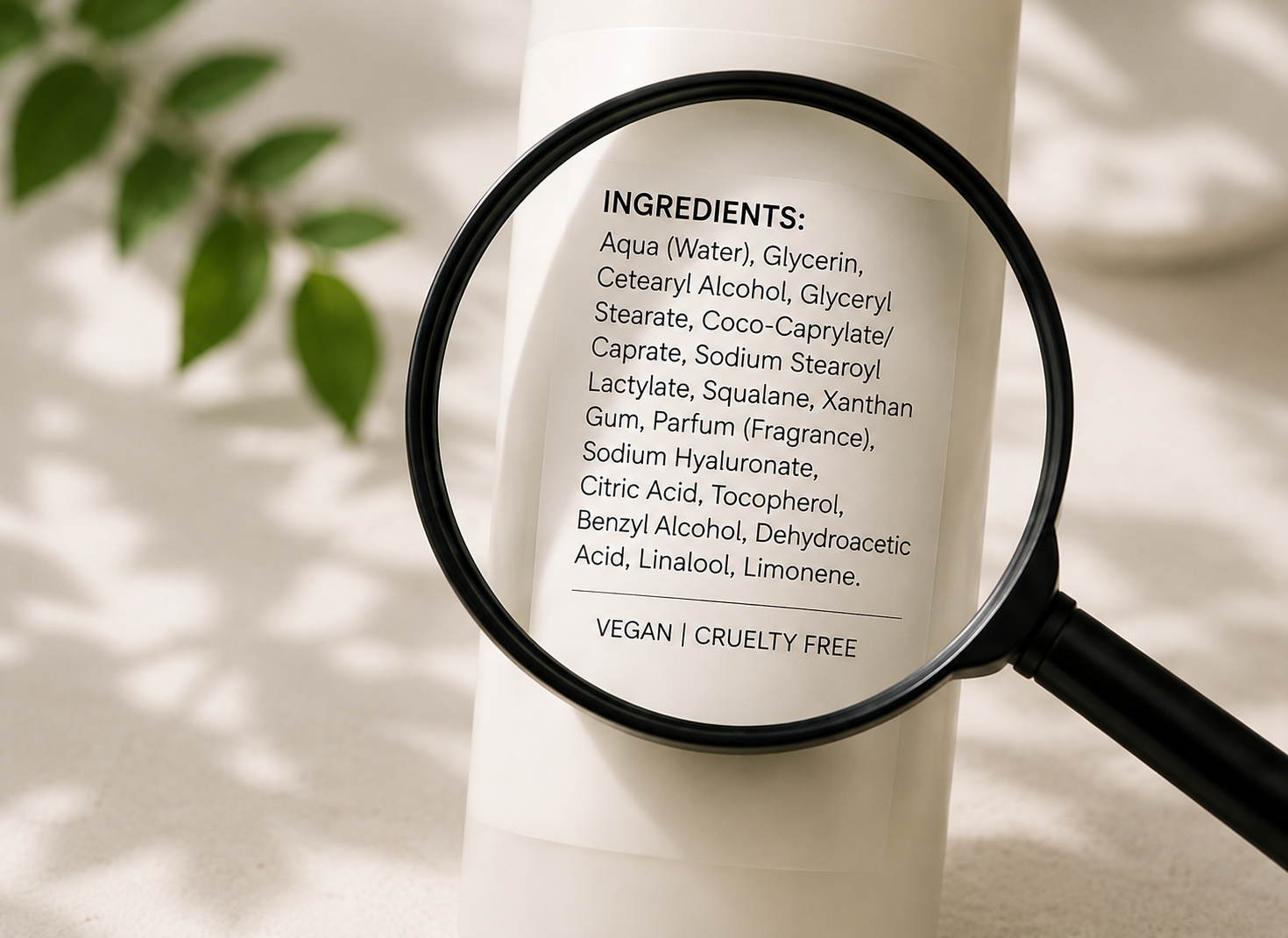
They are listed in order of concentration

The first ingredient is present in the highest quantity, the last in the lowest. If water is first, the product is mostly water. If an active ingredient is near the bottom of a long list, there is very little of it.

INCI names

Beauty ingredients are listed using INCI names — the International Nomenclature of Cosmetic Ingredients. These are standardised names, often Latin or chemical, that can look impenetrable. Most reputable beauty brands now include a plain-English explanation alongside the INCI list, or publish one on their website.

What “fragrance” or “parfum” means

“Fragrance” or “parfum” on an ingredient list can refer to a blend of dozens of individual ingredients, none of which need to be listed separately. This is worth knowing if you have sensitive skin — and worth checking with the manufacturer if you want to confirm vegan status of the fragrance blend.

A useful resource

The Environmental Working Group’s Skin Deep database (ewg.org/skindeep) allows you to look up individual ingredients and see what they are derived from and any safety concerns. It is a US-focused resource but the ingredient information is universally applicable.

Posted on

What “vegan” actually means on a beauty product

The short answer

A product labelled vegan should contain no animal-derived ingredients and should not have been tested on animals. In practice, the picture is more complicated.

There is no legal definition

“Vegan” is not a protected term in UK law. Any brand can use it without meeting a specific standard. This means two products both labelled “vegan” can have very different ingredient lists and very different manufacturing processes.

What to look for instead

The most reliable signal is certification from the Vegan Society or a comparable body — their trademark requires a full assessment of ingredients, processing aids and manufacturing. Products in this shop are either certified or have been confirmed directly with the manufacturer.

The hidden ingredients

Some animal-derived ingredients appear under names that are not immediately recognisable. Common ones in beauty products include:

  • Lanolin — derived from sheep’s wool. Found in lip balms, moisturisers and hair products.
  • Carmine (E120, CI 75470) — red pigment from crushed insects. Found in lipsticks and blushers.
  • Squalene — can be derived from shark liver oil. Now commonly plant-derived (from olives) but worth checking.
  • Keratin — protein derived from animal hair, hooves or feathers. Found in hair treatments.
  • Collagen — derived from animal skin, bones and connective tissue. Found in anti-ageing products.
  • Glycerin — can be plant or animal-derived. Extremely common. Worth confirming source if unlabelled.
  • Stearic acid — can be plant or animal-derived. Found in soaps, moisturisers and shampoos.

When a product isn’t labelled, it doesn’t mean it’s not vegan. It means you need to check.